
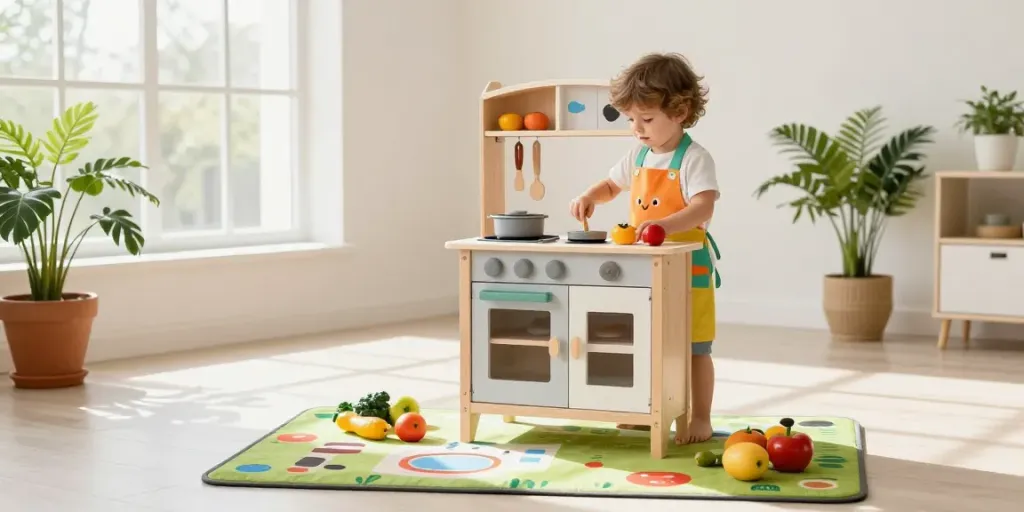
The Benefits of a Wooden Kitchen for Children
Wooden kitchens are more than just toys; they represent a multifaceted approach to childhood development and imaginative play. As parents seek to provide their children with creative outlets, the appeal of a wooden kitchen emerges as an attractive option. These kitchens encourage children to engage in role play, enabling them to mimic real-world cooking scenarios while honing various essential skills. Understanding the numerous benefits associated with wooden kitchens can help parents make informed choices that foster creativity and development in their children.
Why Choose a Wooden Kitchen Over Plastic?
When it comes to play kitchens, the choice between wooden and plastic materials can be significant. Wooden kitchens are often more durable, sturdier, and can withstand the rigours of daily play. Unlike their plastic counterparts, wooden kitchens are less likely to fade or become damaged over time. Moreover, they offer a classic aesthetic that fits seamlessly into home decor, appealing to parents' sensibilities as well.
- Durability: Wooden kitchens can last for years, often becoming family heirlooms.
- Aesthetic Appeal: The natural look of wood creates an inviting and warm environment.
- Environmental Impact: Wood is a renewable resource, reducing the carbon footprint compared to plastic.
Promoting Imaginative Play with Wooden Kitchen Sets
Imaginative play is a crucial aspect of childhood development, and wooden kitchen sets provide an ideal platform for this. Children often mimic their parents or caregivers in the kitchen, thereby learning about routines and responsibilities. A wooden kitchen allows them to create their own narratives, which can enhance their storytelling and creative skills.
Through role-playing, children learn about sharing and cooperation when they engage with peers. They develop social skills by negotiating roles and responsibilities, which aids in their emotional and interpersonal growth.
How a Wooden Kitchen Enhances Developmental Skills
As children engage in cooking play, they simultaneously sharpen fine motor skills. Actions such as slicing vegetables with a pretend knife or arranging play food require hand-eye coordination and dexterity. Additionally, wooden kitchens can serve as educational tools, allowing parents to teach concepts such as counting and measuring when 'following recipes.'
Moreover, these kitchens encourage problem-solving and critical thinking as children figure out how to 'cook' meals, arrange ingredients, or manage pretend dinner parties.
Choosing the Right Wooden Kitchen for Your Child
With the plethora of options available on the market, choosing the right wooden kitchen can be overwhelming. However, making the right selection can significantly impact your child's experience and enjoyment. Here are essential factors to consider when selecting the perfect wooden kitchen for your child.
Factors to Consider When Selecting a Wooden Kitchen
When exploring different models, consider the following criteria:
- Size: Ensure that the kitchen fits comfortably in your available space while being accessible to your child.
- Features: Look for kitchens with various elements like burners, sinks, and storage to encourage diverse play.
- Safety: Check for non-toxic finishes and rounded edges to ensure the kitchen is safe for children.
Space Requirements: Fitting the Kitchen in Your Home
Before purchasing, assess the available space in your home. Wooden kitchens come in various sizes, so it's crucial to measure the area where you intend to place the kitchen to ensure a good fit. A well-placed kitchen enhances playtime and makes supervision easier for parents.
Eco-Friendly Options and Sustainability in Wooden Kitchens
Many brands now focus on sustainability, using responsibly sourced wood and eco-friendly finishes. Parents concerned about environmental impact should look for kitchens that align with their values. Choosing sustainable products not only supports the environment but also sets an example for children about making conscientious choices.
Top Wooden Kitchen Brands in 2026
The market for wooden kitchens is rich with options, so understanding which brands stand out can help make your decision easier. Here, we highlight some of the top brands leading the market in 2026.
Comparing Features of Leading Wooden Kitchen Brands
Some notable brands include:
- Tiny Land: Known for beautifully crafted, imaginative designs.
- KidKraft: Offers a wide range of sizes and features.
- Le toy Van: Focused on educational and eco-friendly options.
When comparing brands, look at the specific features that each one offers and consider what matches your child's interests and play style.
Customer Reviews and Performance Ratings
Reviews play a vital role in the decision-making process. Many parents provide insights into the durability, ease of assembly, and longevity of wooden kitchens. High customer ratings often correlate with a product’s quality and overall satisfaction, so take time to read reviews before making a purchase.
Best Budget Options for Quality Wooden Kitchens
Not all high-quality wooden kitchens need to break the bank. Brands such as IKEA offer affordable options without sacrificing quality. Researching budget-friendly choices can lead to excellent finds that still meet safety and durability standards.
Accessories to Enhance Your Child’s Wooden Kitchen Experience
Accessories can significantly enrich the play experience of a wooden kitchen. The right toys and furnishings can unlock new levels of imaginative play, allowing for a more immersive experience.
Must-Have Kitchen Toys to Accompany Wooden Kitchens
To complement a wooden kitchen, consider accessories such as:
- Cooking utensils like wooden spoons and spatulas.
- Play food sets that encourage creativity and meal preparation.
- Kitchen appliances like toy microwaves or ovens for added realism.
How to Create a Complete Kitchen Play Experience
Creating a complete kitchen experience can be as simple as adding a dining set or setting up a mini grocery store nearby. This setup encourages children to engage not only in cooking but also in serving and socialising.
DIY Ideas for Customising Your Wooden Kitchen
Customisation can add a personal touch to a wooden kitchen. Simple DIY projects, such as painting the kitchen in your child's favourite colours or adding stickers, can make the kitchen feel unique and tailored to their preferences.
Maintaining a Wooden Kitchen for Longevity
To ensure the longevity of your wooden kitchen, proper maintenance is vital. Regular cleaning and care can prevent wear and tear, allowing your investment to last through multiple play sessions.
Proper Care and Cleaning Tips for Wooden Toys
Cleaning wooden toys involves using a damp cloth and mild soap. Avoid soaking or using harsh chemicals that could strip the finish. Regular inspections for any loose parts or splinters can ensure safety.
Identifying and Fixing Common Wear and Tear
As children play, minor damages may occur. Regularly check for any signs of wear, such as loose joints or chipped paint, and fix them promptly to maintain usability and safety. Wood glue or touch-up paint can help restore the kitchen's appearance and function.
When to Consider Upgrading Your Wooden Kitchen
As your child grows, their play needs will evolve. Consider upgrading the kitchen when it no longer meets their play style or if they require more complex features. Recognising when it's time for a change can help sustain their interest and engagement in creative play.
What age is a wooden kitchen suitable for?
Wooden kitchens are generally suitable for children aged three and up, depending on the complexity and safety features of the particular model.
Are wooden kitchens safe for children?
Yes, wooden kitchens are typically safe when constructed from non-toxic materials and designed with rounded edges to prevent injury.
How can a wooden kitchen help with child development?
Wooden kitchens support various aspects of child development, including fine motor skills, social skills, and imaginative play capabilities.
What makes wooden kitchens environmentally friendly?
Wooden kitchens are environmentally friendly due to the renewable nature of wood and the fact that high-quality wooden kitchens often use sustainable materials and finishes.
What are the best features to look for in a wooden kitchen?
Look for features like durability, realistic accessories, safety standards, and a design that encourages imaginative play.